

In this difficult year that our Kurdish nation is...
Serious Escalation and Grave Violations Against Kurdish Civilians
The regions of Rojava Kurdistan (North and East Syria), particularly the city of Kobani and its countryside, as well as Raqqa and Hasakah, are witnessing a serious escalation accompanied by grave human rights violations. This comes amid increasing reports of Kurdish civilians being targeted on the basis of their ethnic identity, and the perpetration of horrific acts of violence against the civilian population.
Documented Field Violations and Acts of Violence
Local sources reported that Kurdish civilians in the countryside of Kobani were directly targeted by radical armed factions affiliated with the Syrian Ministry of Defense, alongside groups known as the “Tribal Forces,” resulting in several civilians sustaining serious injuries. This occurred on the afternoon of Wednesday, 21 January 2026.
In the same context, Nûdem Media correspondent, journalist (Nojan Mala Hassan), was shot in the flank by members of the Turkish gendarmerie and is scheduled to undergo surgery to remove the bullet.
Additionally, testimonies and video footage have circulated documenting extremely brutal practices, including the burning of civilians inside a tunnel, the slaughter of female fighters, and the cutting of their braids in a degrading and humiliating manner. These acts were accompanied by inciting and racist rhetoric containing phrases that demean human dignity, such as: “Send my regards to Rojava,” “pigs,” and “atheists.”
Available information indicates that some of these incidents took place in the city of Raqqa and its surroundings. Due to the severity of these violations, the Kurdish Lawyers Union has refrained from publishing the footage out of respect for the dignity of the victims.
Killings Based on Ethnic Identity
Reliable sources have reported killings targeting Kurdish citizens on the basis of ethnic identity in the city of Raqqa and its vicinity. Among the victims are:
Hanan Mohammed Qisho , a vegetable vendor from the village of Khalil in the countryside of Afrin, who was killed on Monday, 19 January 2026, while returning via the public road from the city of Tabqa toward Afrin.
Mahmoud Misi Kolk 15 years old , from the Kobani area, who was killed while accompanying his father on the Raqqa–Kobani road on 19 January 2026, after being targeted by elements affiliated with the so-called “Tribal Army.”
Intelligence Involvement and Inciting Rhetoric
Corroborated information points to the involvement of Turkish intelligence elements—some wearing Syrian military uniforms—in supervising and coordinating with armed groups implicated in massacres against Kurdish civilians, as part of a systematic policy aimed at spreading terror and forcibly emptying the region of its indigenous population.
Religious Discourse That Legitimizes Violence
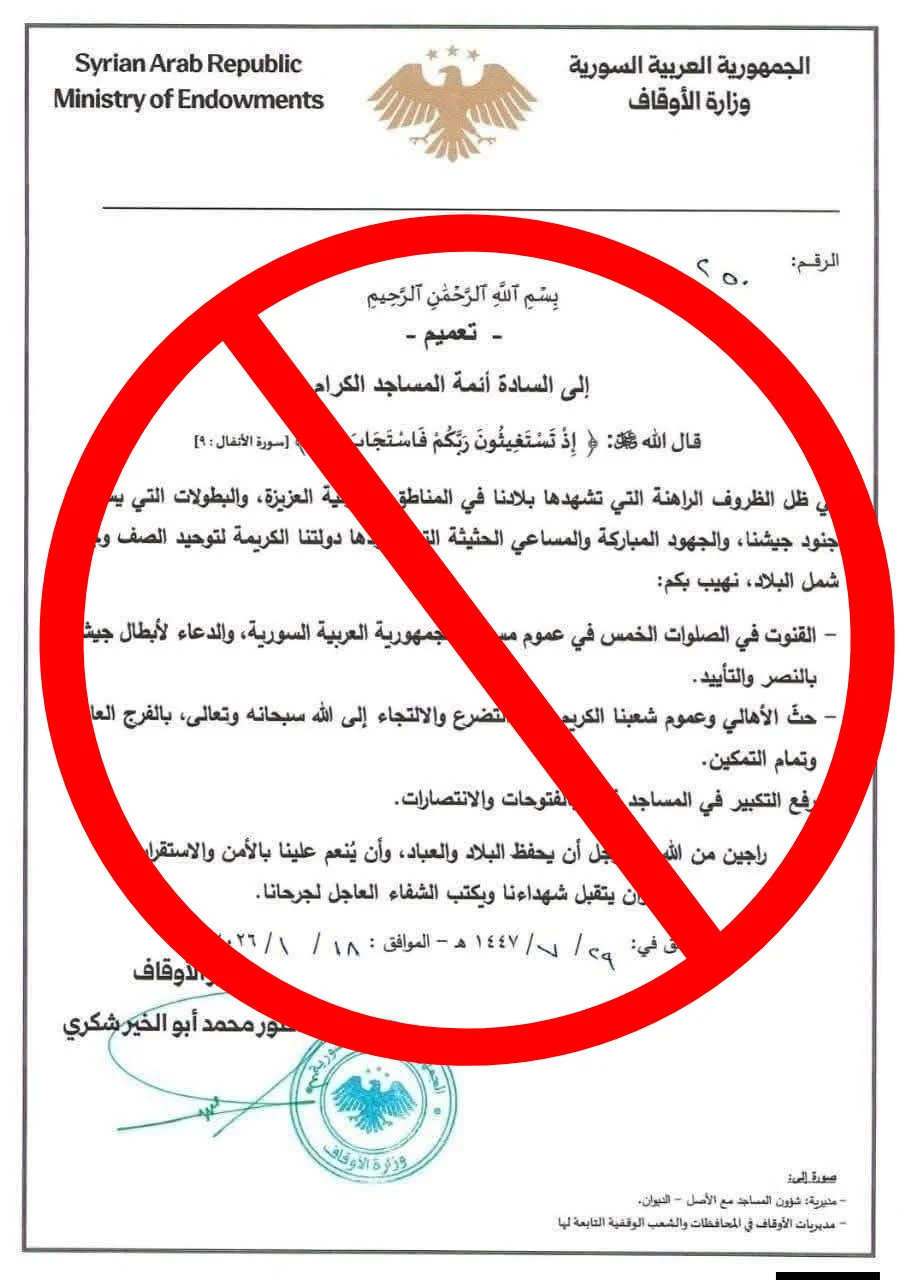
A circular issued by the Ministry of Awqaf of the Syrian Interim Government (No. 250), dated 18 January 2026, has raised serious concern due to its religious instrumentalization of Surah Al-Anfal and its call to “raise takbir in mosques in celebration of conquests and victories.”
According to multiple legal and human rights bodies, this discourse constitutes dangerous religious incitement that confers legitimacy on violence and evokes memories of the former Iraqi regime’s use of Surah Al-Anfal during genocidal campaigns against the Kurds in the Kurdistan Region of Iraq.
The content of the circular further implies that the targeting is directed at the Kurdish people as an ethnic group rather than a military entity, exposing them to grave risks that may amount to crimes of ethnic cleansing or genocide.
Catastrophic Humanitarian Conditions and Suffocating Siege in Kobani
The city of Kobani is experiencing extremely dangerous humanitarian conditions as a result of a suffocating siege that has continued for more than a week, accompanied by a complete cut of electricity and water. This followed the takeover by radical armed factions affiliated with the Syrian Ministry of Defense of the Euphrates River and major dams, which constitute the primary source of water and energy in the region.
This has led to a near-total paralysis of civilian life and has deepened the suffering of residents to unprecedented levels.
At the same time, the city has received large numbers of displaced persons from the city of Raqqa and its countryside. Many are forced to sleep outdoors amid an almost complete absence of basic necessities. Schools and places of worship have become overcrowded with displaced families, at a time when the region is facing a harsh winter and an exceptional cold wave, alongside an almost total lack of heating materials, infant formula, and essential supplies, particularly for children and the elderly.
As a direct result of the siege and the massive influx of displaced persons, food supplies have run out in most shops, medicines have become scarce in pharmacies, and the majority of hospitals and health centers are suffering from a severe shortage of fuel and medical supplies, threatening their ability to continue providing medical services.
Flour supplies have also been exhausted, leading to the shutdown of several bakeries, with serious fears that all bakeries may cease operations, heralding an imminent food catastrophe threatening the lives of tens of thousands of civilians.
Since the afternoon of Wednesday, 21 January 2026, internet and telecommunications services have been cut off, leaving the city of Kobani and its countryside in a state of near-total isolation from the outside world. This has exacerbated fear and panic among residents amid ongoing threats of military invasion, intermittent shelling, and systematic geographic encroachment through the gradual seizure of surrounding areas.
In areas south of the M4 highway, temporary control was recorded over several Kurdish villages, followed by sporadic clashes, leading to large waves of displacement toward the center of Kobani. This resulted in severe congestion of civilians and vehicles, amid an almost complete lack of basic services and the absence of any safe corridors or effective humanitarian response.
There are serious concerns among the public and human rights circles about the potential commission of large-scale massacres against civilians should the attacks by the Syrian government and its affiliated armed factions continue, particularly in light of inciting rhetoric and public threats with ethnic overtones.
In this context, it should be recalled that 26 January 2015 marks the liberation on the city of Kobani from ISIS, a date of profound symbolic importance to the city’s residents and to the global human conscience. This anniversary falls within days, yet this year it comes amid explicit threats of revenge and retribution, further intensifying the legitimate fears of the population.
Urgent Humanitarian Appeal
Local sources confirm that a number of Kurdish youths and forces have been besieged in the vicinity of Al-Aqtaan Prison in Raqqa for four days, without food, water, medicine, or any form of humanitarian protection. This situation threatens an imminent catastrophe unless the ceasefire is respected or an urgent humanitarian corridor is opened.
The de facto interim authority bears full responsibility for their lives. An urgent appeal is directed to the International Coalition to intervene immediately, open safe corridors, secure basic needs, and evacuate those besieged without delay.
Situation in Other Areas
Hasakah: Relative calm within the city contrasted with widespread displacement, closure of shops and currency exchange offices, and a state of heightened alert and caution.
Derik: General security calm; however, the city is facing a severe housing crisis due to the arrival of large numbers of forcibly displaced persons residing in schools and mosques, in addition to the arrival of seven solidarity convoys from the Kurdistan Region of Iraq via the Semalka crossing.
Qamishli: A suicide bomber detonated himself in front of a hospital yesterday, exacerbating the prevailing security and humanitarian anxiety.
Contact and Information Submission
WhatsApp: +0046725556665
Email : info@kurdishlawyers.org
Online reporting platform “Ballegh”:
Kurdish Lawyers Union
Monitoring, Documentation, and Archiving Committee
Bonn – Germany
22 January 2026
Most recent
UNITED NATIONSGENERAL ASSEMBLY Distr.: GENERALA/54292 July 1963ENGLISHORIGINAL: RUSSIAN Eighteenth...
UNITED NATIONSSECURITY COUNCILDistr.GENERALS/53459 July 1963ENGLISHORIGINAL: RUSSIANLETTER DATED 9 JULY...
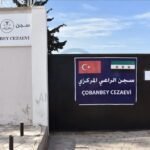
Al-Ra'i Prison is one of the most prominent irregular...